
Is Fresh Spirulina Beneficial to Health?
Fresh spirulina has become a popular ingredient for people looking to add more plant-based foods to smoothies, juices, and everyday meals. Its vivid blue-green color, frozen format, and naturally occurring nutritional components make it different from many conventional powders and tablets.
But is fresh spirulina actually beneficial to health?
The most accurate answer is that fresh spirulina can be included as part of a varied diet. Its specific nutritional contribution depends on the finished product, serving size, and information provided on the Nutrition Facts panel.
Fresh spirulina is a food. It should not be treated as a cure, medication, or substitute for a balanced diet or professional medical care.
What Is Fresh Spirulina?
Spirulina is a blue-green cyanobacterium that has been used as a food ingredient in different parts of the world.
It is available in several forms, including:
- Fresh frozen portions
- Dried powder
- Capsules
- Tablets
- Packaged foods and beverages containing spirulina
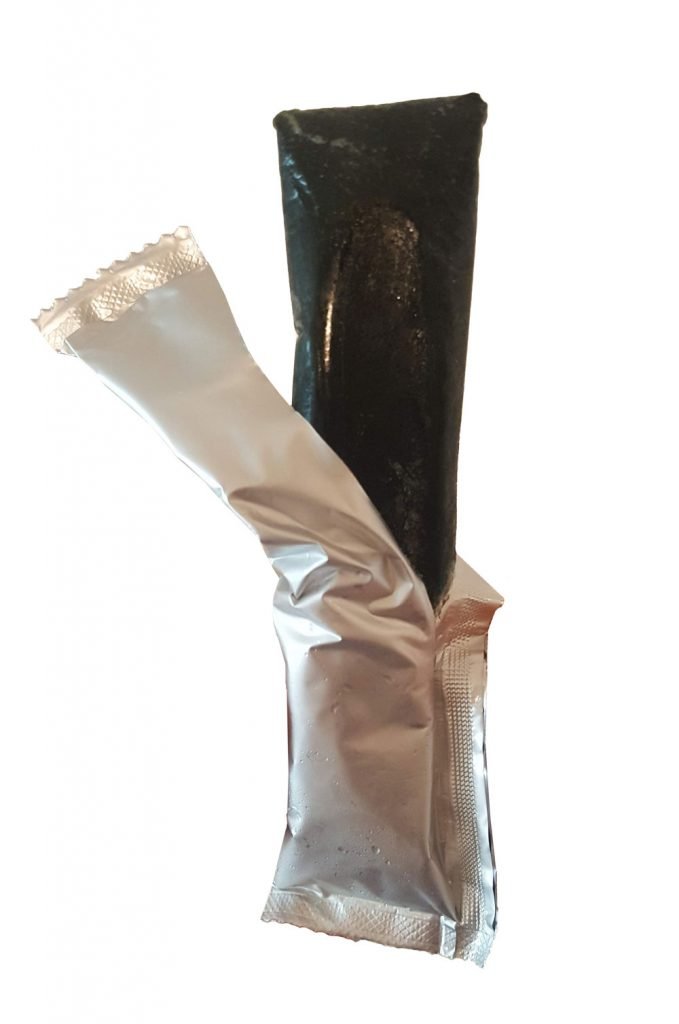
Fresh frozen spirulina is harvested and frozen rather than being dried into a powder. Because it remains a perishable frozen food, it requires different storage and handling than shelf-stable spirulina products.
The fresh frozen spirulina sold through Alive Spirulina is cultivated, harvested, packaged, stored, and shipped by an independent Florida producer. Alive Spirulina operates the online storefront and provides customer support.
What Nutrients Does Spirulina Contain?
Spirulina naturally contains protein, pigments, and other nutritional components.
However, broad statements about spirulina should not replace the nutritional information for the actual product being purchased. Many percentages commonly associated with spirulina are based on dried spirulina by weight and may not describe a fresh frozen serving accurately.
Customers should review the product’s Nutrition Facts panel to determine:
- Serving size
- Calories per serving
- Protein content
- Carbohydrate content
- Fat content
- Vitamins and minerals listed on the label
- Number of servings per package
The Nutrition Facts panel provides more useful information than generalized comparisons between spirulina and foods such as beef, spinach, berries, or dietary supplements.
Is Spirulina a Source of Plant-Based Protein?
Spirulina naturally contains protein and may be incorporated into vegan and vegetarian eating patterns.
The amount of protein provided by one serving of fresh frozen spirulina should be determined from the finished product’s Nutrition Facts panel.
Fresh spirulina should not automatically be described as “high protein,” an “excellent source of protein,” or a complete replacement for other protein-rich foods. Those descriptions depend on the amount supplied by the labeled serving and applicable food-labeling standards.
People following plant-based diets should continue to obtain nutrition from a varied selection of foods, which may include legumes, grains, nuts, seeds, fruits, vegetables, and other appropriate protein sources.
What Gives Spirulina Its Blue-Green Color?
Spirulina’s distinctive appearance comes from naturally occurring pigments.
These include:
- Chlorophyll
- Phycocyanin
Phycocyanin contributes to spirulina’s blue coloring, while chlorophyll contributes green coloring.
The amount of naturally occurring pigments may vary depending on the strain, cultivation conditions, harvesting process, storage, product format, and serving size.
The presence of these pigments should not be interpreted as proof that a food can prevent, treat, or cure a health condition.
Fresh Frozen Spirulina vs. Dried Spirulina
Fresh frozen and dried spirulina are two different product formats. One should not automatically be described as medically superior to the other.
Fresh frozen spirulina
Fresh frozen spirulina:
- Must remain frozen
- Has a soft texture
- Can be blended into smoothies and chilled recipes
- Has a more limited storage and handling process
- Is sold in portioned frozen packaging
Dried spirulina
Dried spirulina:
- Is commonly available as powder, tablets, or capsules
- Is generally shelf-stable
- Can be mixed into foods or beverages
- Has a more concentrated composition by weight because much of the water has been removed
Nutrient levels may vary between brands, batches, formats, serving sizes, and processing methods. Customers should compare actual product labels rather than assuming that all fresh or dried spirulina products have identical nutritional characteristics.
Fresh vs Dried Spirulina
| Feature | Fresh Frozen Spirulina | Dried Spirulina |
|---|---|---|
| Format | Frozen, soft-textured portions | Powder, tablets, or capsules |
| Processing | Frozen after harvesting | Dehydrated into a shelf-stable format |
| Storage | Must be kept frozen according to package instructions | Usually stored at room temperature according to package instructions |
| Texture | Soft and easily blended | Powdered or compressed |
| Common uses | Smoothies, juices, bowls, dips, and chilled recipes | Smoothies, beverages, capsules, tablets, and recipes |
| Serving comparison | Review the finished product’s Nutrition Facts panel | Review the finished product’s Nutrition or Supplement Facts panel |
| Testing | Review available lot-specific laboratory reports | Testing and quality practices vary by manufacturer |
| Best choice for | People who prefer a fresh frozen format | People who prefer a shelf-stable format |
How Can Fresh Spirulina Fit Into a Balanced Diet?
Fresh spirulina can be used as one ingredient within an overall eating pattern.
It can be blended with foods such as:
- Bananas
- Berries
- Mango
- Pineapple
- Leafy greens
- Plant-based milk
- Yogurt
- Fruit or vegetable juice
- Nut or seed butter
- Oats
The nutritional value of the finished smoothie or meal depends on every ingredient used.
Adding spirulina does not make an otherwise unbalanced diet complete. Overall nutrition depends on food variety, total calorie intake, protein, carbohydrates, fats, fiber, hydration, and individual nutritional needs.
Can Athletes Use Fresh Spirulina?
Athletes and physically active individuals may choose to include spirulina as one component of a broader nutrition plan.
Fresh spirulina can be added to a smoothie or meal before or after exercise according to personal preference.
However, athletic performance and recovery depend on many factors, including:
- Adequate calorie intake
- Carbohydrate availability
- Total protein intake
- Hydration
- Training quality
- Sleep
- Rest
- Overall health
Fresh spirulina should not be expected to guarantee greater strength, endurance, energy, muscle growth, or recovery.
Athletes with specific performance goals should use the product’s Nutrition Facts panel to determine what a serving contributes to their diet and may benefit from guidance from a qualified sports nutrition professional.
How Do You Use Fresh Spirulina?
Fresh spirulina can be added to cold or blended foods.
Common options include:
- Smoothies
- Smoothie bowls
- Fruit or vegetable juices
- Yogurt
- Hummus
- Guacamole
- Cold dressings
- Chilled sauces
Follow the serving and handling instructions provided on the product packaging.
Taste and texture preferences differ. Some customers prefer combining spirulina with naturally sweet ingredients such as banana, mango, pineapple, or berries.
Do not consume more than the labeled serving based on an expectation that a larger amount will produce a medical, weight-related, energy, or athletic result.
When Should You Consume Fresh Spirulina?
There is no universal time when everyone must consume spirulina.
It may be added to a meal or beverage whenever it fits comfortably into an individual’s eating routine.
Some customers prefer it:
- With breakfast
- In a daytime smoothie
- As part of a pre-workout meal
- As part of a post-workout meal
- With another cold meal or snack
The time of consumption does not guarantee a specific energy, recovery, or performance result.
How Should Fresh Spirulina Be Stored?
Fresh spirulina is a perishable frozen food and should be handled according to the instructions supplied with the product.
General handling precautions include:
- Place the shipment in the freezer promptly after delivery
- Keep packets frozen as directed
- Follow the labeled thawing and storage instructions
- Do not consume packets that are leaking, open, punctured, or damaged
- Do not consume a product with an unusual odor, appearance, or condition
- Contact customer support promptly if a shipment appears damaged or compromised
Customers should not assume that every frozen product remains suitable for consumption after an extended delay, improper storage, or compromised packaging.
How Is Fresh Spirulina Tested?
The independent producer periodically arranges testing of selected product samples through independent third-party laboratories.
Laboratory reports may include selected analyses involving:
- Microbiological quality
- Microcystins
- BMAA
- Individual heavy metals
- Nutritional composition
- Other quality measurements
Each laboratory report applies only to the sample, lot, testing date, analytes, and methods identified in that report.
When a result is reported as “not detected,” it means the analyte was not detected above the laboratory’s stated detection or reporting limit in that particular sample. It does not necessarily mean that the analyte was present at an absolute concentration of zero.
A report for one sample should not be presented as a guarantee that every lot has identical results.
Available testing information can be reviewed on the Alive Spirulina Lab Tests page.
Is Fresh Spirulina Appropriate for Everyone?
Individual dietary needs and reactions can vary.
Consult a qualified healthcare professional before consuming spirulina when you:
- Are pregnant or nursing
- Take prescription medication
- Have a diagnosed medical condition
- Have known food, algae, or ingredient allergies
- Have been instructed to restrict a particular nutrient
- Are considering giving the product to a child
- Have concerns about how spirulina fits into your diet
Stop using the product and seek appropriate medical guidance if you experience an adverse reaction.
Alive Spirulina does not provide individualized medical advice or determine whether the product is appropriate for a particular medical condition.
Can Children Consume Fresh Spirulina?
Parents and caregivers should consult a pediatrician or another qualified healthcare professional before giving spirulina to a child.
Do not publish a universal serving recommendation for children unless it has been established and approved by an appropriately qualified professional for the specific finished product.
Can Pets Consume Spirulina?
Alive Spirulina is sold as food for human consumption.
Do not give the product to a pet based solely on general information found online. Pet owners should consult a licensed veterinarian about the animal’s diet and whether a particular product or ingredient is appropriate.
Is Fresh Spirulina Gluten-Free?
Do not rely on the nature of spirulina alone when evaluating whether the finished product is gluten-free.
A gluten-free claim should account for:
- Ingredients
- Processing aids
- Production equipment
- Cross-contact controls
- Packaging
- Applicable testing or supplier documentation
Customers with celiac disease, wheat allergies, or serious gluten sensitivities should review the product label and contact the company when additional information is needed.
Is Fresh Spirulina Beneficial to Health?
Fresh spirulina can be incorporated into a varied diet as a plant-based whole-food ingredient.
Its primary practical characteristics include:
- A fresh frozen format
- Naturally occurring blue-green pigments
- Plant-based nutritional content
- Convenient frozen portions
- Use in smoothies and chilled recipes
The nutritional contribution of a serving should be evaluated using the product’s Nutrition Facts panel.
Fresh spirulina should not be promoted as a treatment for cancer, heart disease, high blood pressure, high cholesterol, infection, allergies, liver disease, inflammation, weight problems, or any other medical condition.
It should also not be presented as a guaranteed source of energy, athletic performance, muscle recovery, weight loss, or improved appearance.
Final Thoughts
Fresh frozen spirulina offers a distinctive way to incorporate spirulina into smoothies, beverages, and other foods.
Customers considering the product should focus on:
- The Nutrition Facts panel
- The labeled serving size
- Ingredients and allergen information
- Storage instructions
- Available lot-specific laboratory reports
- Their complete diet and individual nutritional needs
Fresh spirulina may be one ingredient in a balanced eating pattern, but it is not a substitute for a varied diet, medical treatment, or individualized nutrition advice.
Frequently Asked Questions
What is fresh frozen spirulina?
Fresh frozen spirulina is spirulina that is harvested, portioned, and frozen rather than dried into powder, tablets, or capsules.
How do you use fresh spirulina?
It may be blended into smoothies, juices, yogurt, dips, dressings, and other cold foods. Follow the serving and handling instructions on the package.
Does fresh spirulina need to stay frozen?
Yes. It is a perishable frozen product and should be stored according to the instructions supplied with the order.
Is fresh spirulina better than dried spirulina?
They are different formats with different textures, storage requirements, concentrations, and serving sizes. Neither format should automatically be described as medically superior. Compare the labels of the finished products.
Can fresh spirulina replace a meal?
No. It may be used as one ingredient in a meal or smoothie, but it is not intended to replace the variety of foods required for balanced nutrition.
Is fresh spirulina a medicine?
No. Alive Spirulina is sold as food. It is not intended to diagnose, treat, cure, or prevent any disease.
Who should speak with a healthcare professional first?
Anyone who is pregnant, nursing, taking medication, managing a medical condition, concerned about allergies, purchasing for a child, or uncertain about individual dietary needs should consult a qualified healthcare professional.
Important Disclaimer
The information in this article is provided for general educational purposes and is not medical advice. Alive Spirulina is sold as a food and is not intended to diagnose, treat, cure, or prevent any disease.
Alive Spirulina is an online retailer of fresh frozen spirulina. Products sold through this website are cultivated, harvested, packaged, stored, and shipped directly to customers by an independent Florida food producer. Alive Spirulina operates the online storefront and provides customer support.
Consult a qualified healthcare professional regarding medical conditions, medications, allergies, pregnancy, nursing, children, or individual dietary needs.